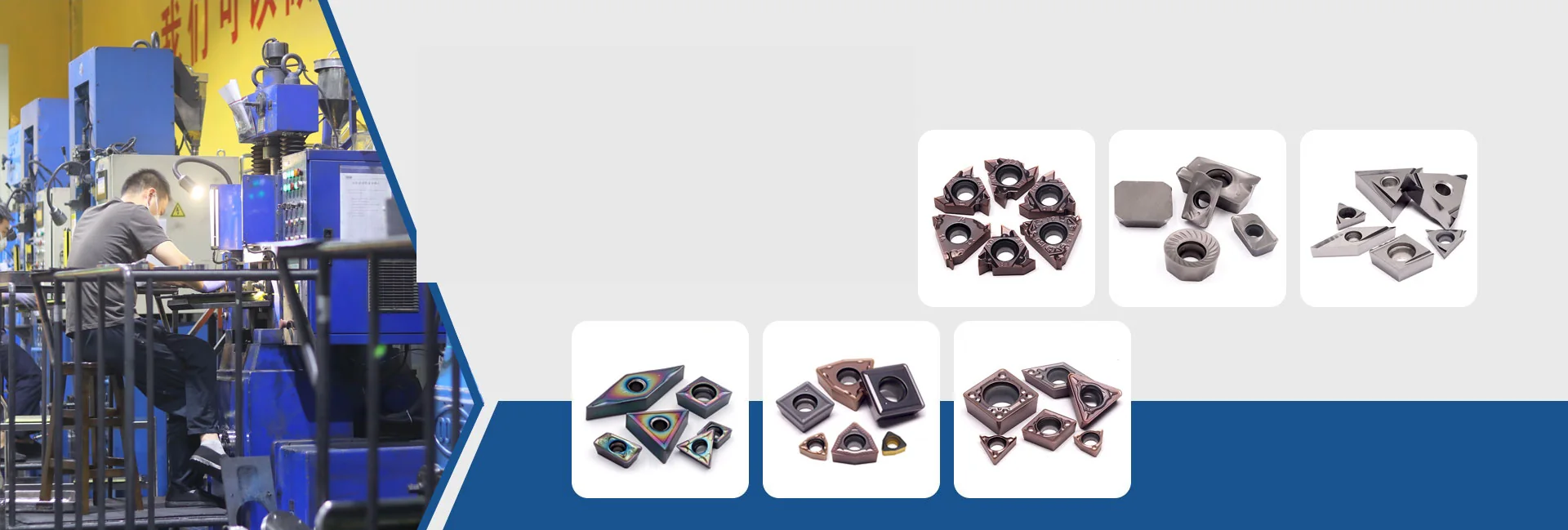
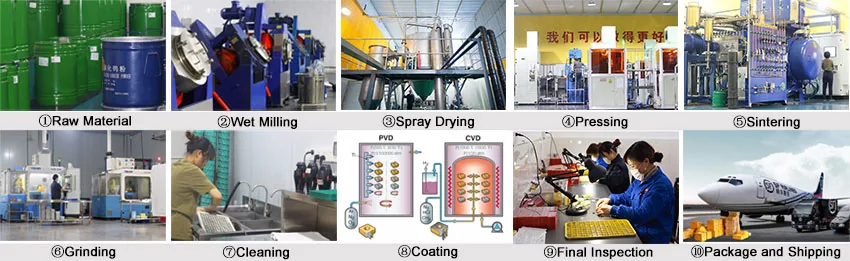
HerryTool — product and manufacturing image

Carbide Cutting Tool Applications by Material and Machining Challenge

The industry name is only the beginning. HerryTool reviews the workpiece, hardness, operation, geometry, current tool and required result as one connected application.

Application Guides

Use the relevant guide to prepare a more productive RFQ.

Automotive and General Component Machining cutting tool applications

Automotive and General Component Machining

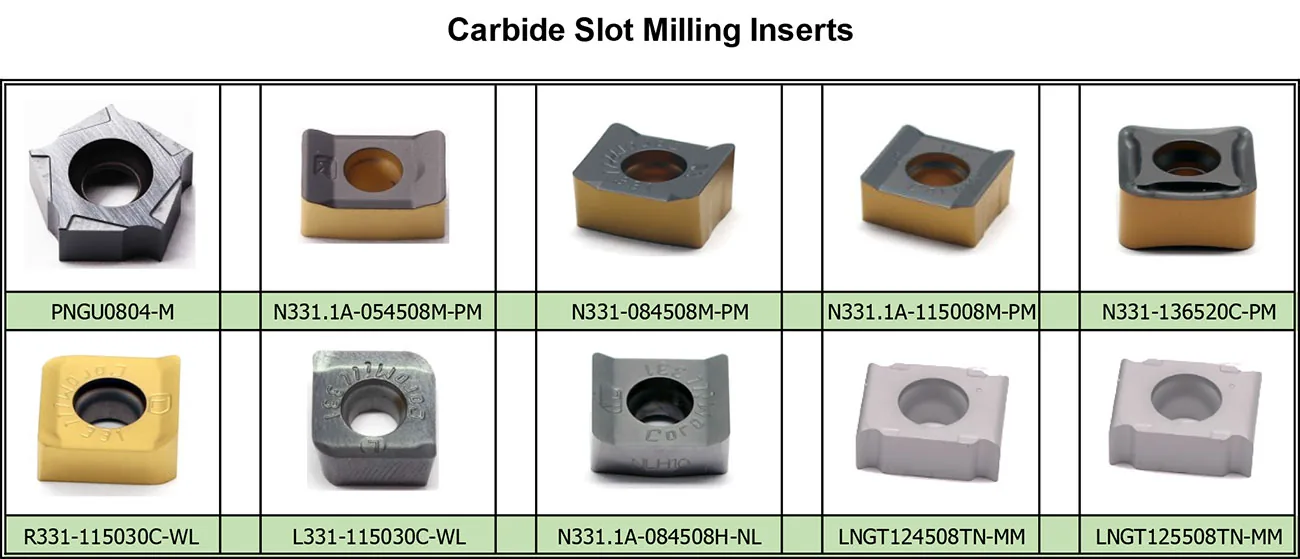
High-mix component production needs repeatable insert identification, controlled chip formation and a clear quality baseline. Define the part material, operation, current tool life and surface-finish target before changing grade.

Prepare these inputs

Steel and cast iron components · Turning and milling · Grooving and threading

Aerospace and Heat-Resistant Alloys cutting tool applications

Aerospace and Heat-Resistant Alloys

Titanium and heat-resistant alloys require an exact alloy specification and a careful review of heat, tool wear and machine stability. Avoid transferring parameters from steel machining without validation.

Prepare these inputs

Exact alloy and hardness · Current failure mode · Tool-holder and coolant condition

Mold, Die and Contoured Surfaces cutting tool applications

Mold, Die and Contoured Surfaces

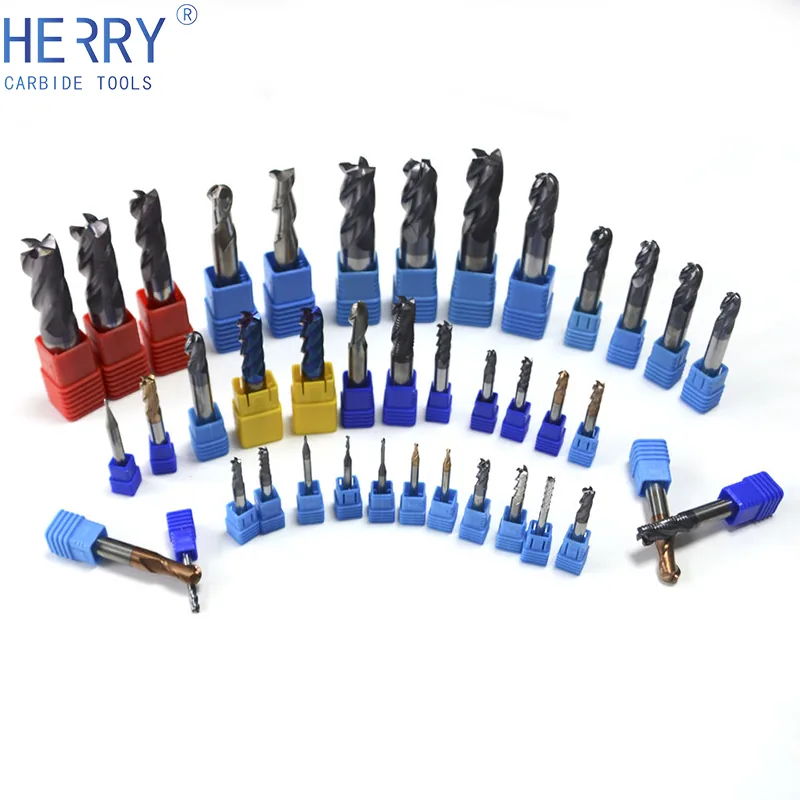
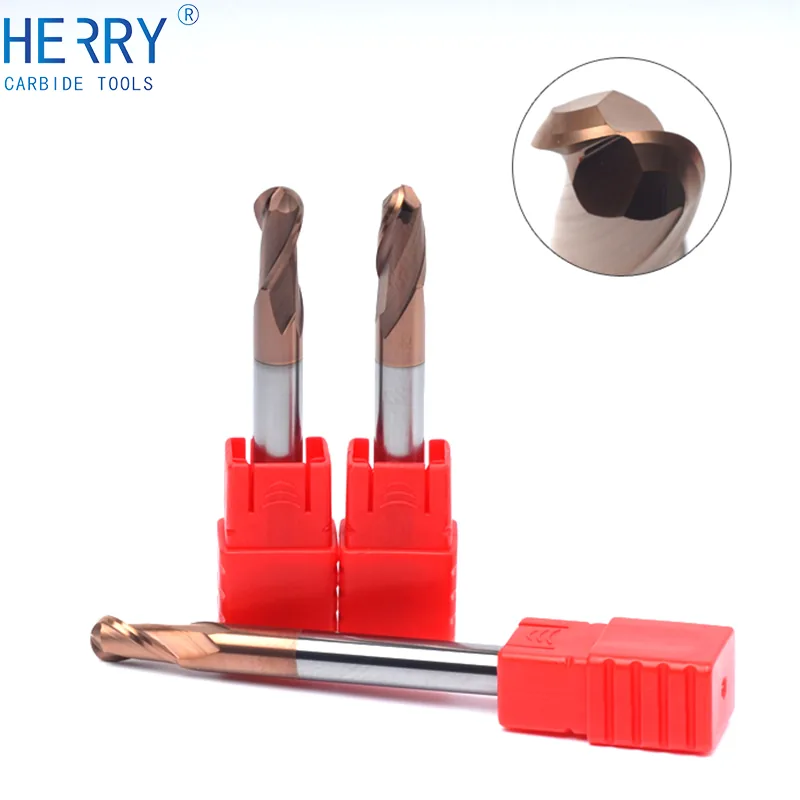
Mold work combines contour access, finishing allowance and surface requirements. Ball nose end mills, milling inserts and suitable geometries should be reviewed against the actual contour and machine setup.

Prepare these inputs

Contour and access · Required finish · Milling strategy and current tool

Stainless Steel and Difficult Chip Control cutting tool applications

Stainless Steel and Difficult Chip Control

For stainless steel, identify the grade and condition, then describe work hardening, chip entanglement, built-up edge or edge chipping. These observations guide geometry and coating discussions.

Prepare these inputs

Stainless grade · Chip shape · Coolant and current insert

Aluminum and Non-Ferrous Materials cutting tool applications

Aluminum and Non-Ferrous Materials

Non-ferrous machining needs attention to alloy, built-up edge, chip evacuation and finish. Uncoated or suitable coated options are reviewed with geometry rather than selected by coating color.

Prepare these inputs

Alloy specification · Finish target · Chip evacuation issue

Custom Shapes and Special Operations cutting tool applications

Custom Shapes and Special Operations

When a standard ISO model does not match the job, provide a controlled drawing and application details. Critical dimensions, tolerances, interfaces and quantity allow engineering and production teams to review feasibility.

Prepare these inputs

Dimensioned drawing · Operation and interface · Expected quantity

From Application Review to Production

A documented workflow keeps specification changes traceable.

Define the application

Workpiece, hardness, operation, machine and the result to improve.

Review options

Geometry, substrate, coating route and any custom-shape requirements.

Validate and record

Run a controlled evaluation and compare results under a common baseline.

Application Questions

Direct answers for engineers and overseas buyers.

Can one insert grade cover every application?

No reliable grade covers every material and operation. Start with the workpiece, hardness, operation and current result, then compare suitable geometry and grade options.

What if my industry is not listed?

Use the general engineering checklist and send the exact material, operation and current tool. Selection is based on the machining problem rather than the industry label alone.

Do you provide application-specific cutting parameters?

Starting recommendations can be discussed after the tool, material, machine and operation are clear. They should be validated on the actual setup.

How do I request an application review?

Send the current tool model or drawing, workpiece and hardness, operation, machine or holder information, quantity and the problem you want to improve.